Blog
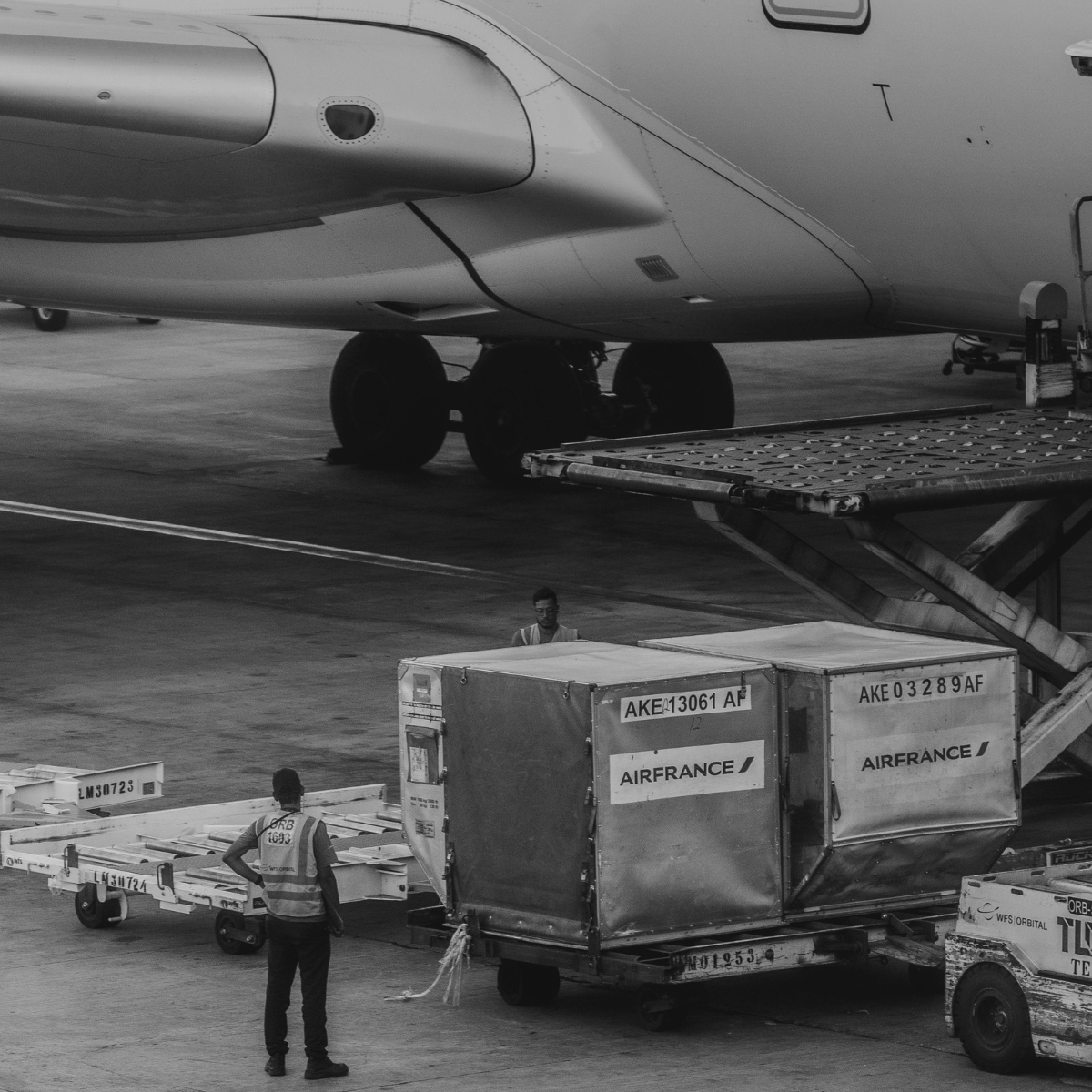
Air cargo operators: is your data moving fast enough
Every day, air cargo teams need to know exactly what they have in their facility. Where is it? How long has it been there? Is it stored in the right place? And are teams using the available space effectively? Few environments demand speed like these warehouses.
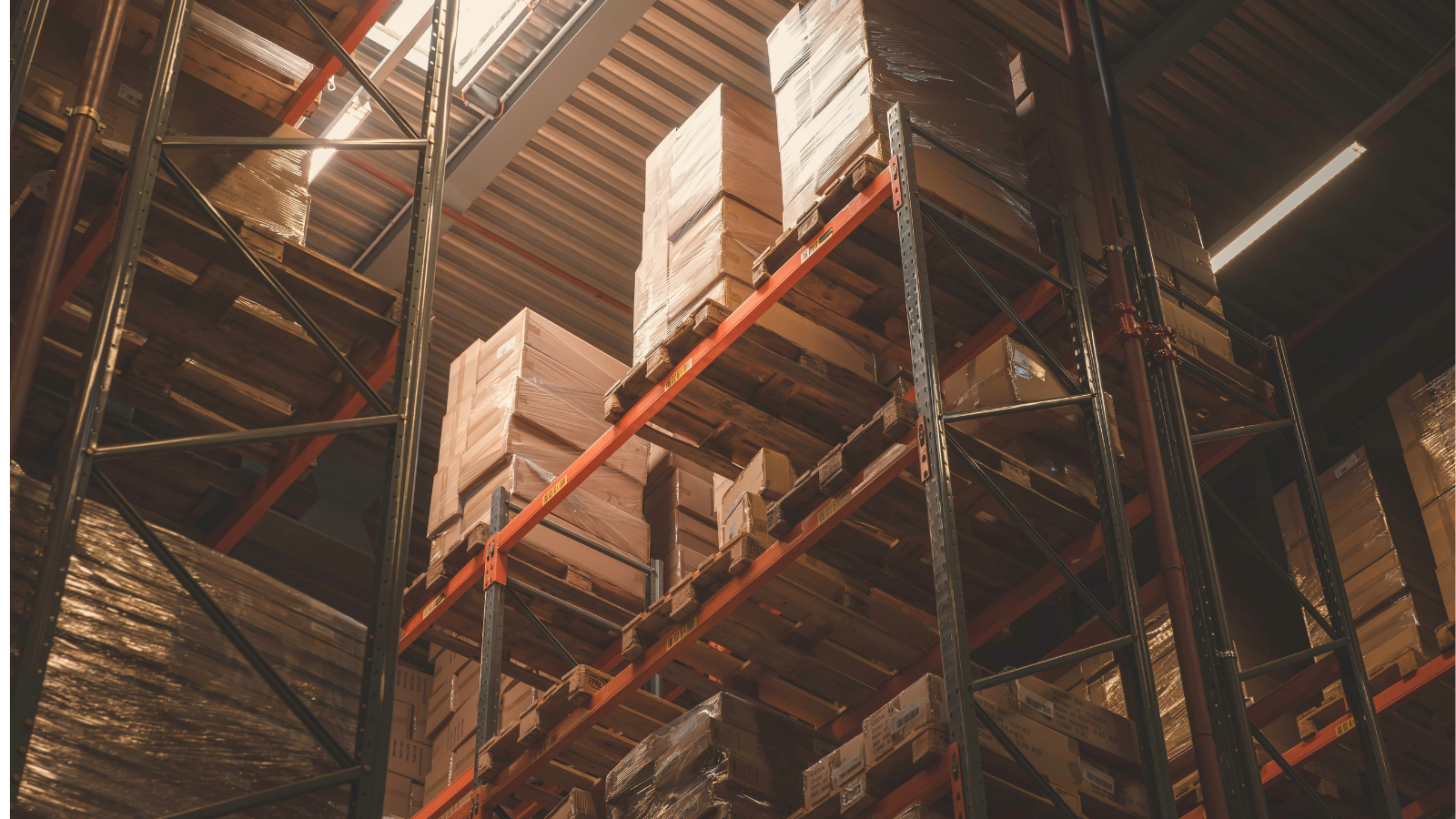
Real-time visibility in manufacturing warehouses
In a manufacturing warehouse, a misplaced pallet or delayed shipment can disrupt the whole supply chain. For example, when a warehouse cannot find a critical part, production stops. In these high-stakes settings, downtime can cost about $25,000 per hour. This affects the entire operation, from warehouse teams and clients to customer service.
How Warehouse Automation Cuts 3PL Inventory Loss
Warehouse automation supports inventory loss prevention by closing the gap between what the warehouse management system (WMS) says is in stock and what is physically on the racking. The warehouse technology that does this most directly is autonomous scanning, a live digital twin and exception-based counting, working alongside the WMS.

5 Common Questions about Physical AI
Warehouse systems record what should be there, not what is. Physical AI closes that gap by checking the floor continuously.

The middle ground Australian warehouses have been asking for
Our colleagues Jackie Bibby and Ben Smith spent three days on the CeMAT Melbourne show floor this June. They spoke with Australian warehouse and logistics operators about where robotics and automation are heading next. One theme came through clearly. Many operators are looking for a middle ground - something between doing nothing and committing to a major automation project.
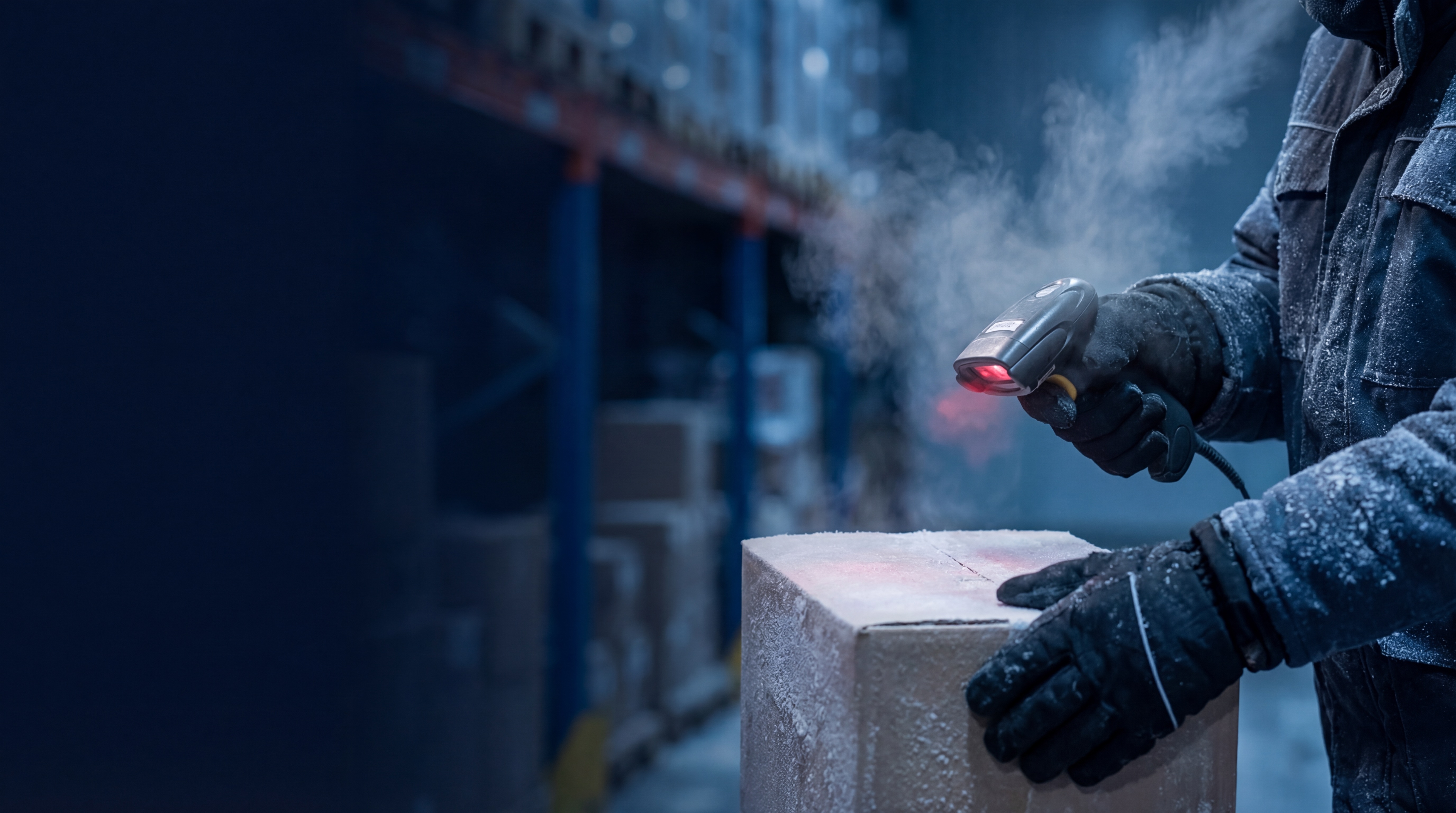
Warehouse scanning technology: why data collection differs
Warehouse scanning has evolved quickly. Across distribution centers, handheld scanners, forklift-mounted cameras, drones and autonomous robots can all make inventory capture faster.
But they are not solving the same problem. The data collection methods each technology uses determine what questions it can actually answer.
The important question isn't just “How quickly can I scan my warehouse?” The better question is: “How consistently can I understand what is happening - and what can I do with that information?”

Five warehouse questions to answer before peak season
Most warehouses head into Q4 relying on WMS data that doesn't reflect physical reality. Here are the five questions operations leaders need to answer, and why most can't.

Retail warehouse optimization: visibility to intelligence
Warehouse space is not just about storing and moving products. Making every square metre and every process perform under pressure is what matters. This pressure is increasing. E-commerce is growing, labour costs are rising, and global uncertainty and tariffs are making operations less predictable.

The warehouse investment decision that can't wait
Two deadlines are converging right now: budget submissions and peak season preparation. The operations teams that treat them as one conversation are the ones that enter next year in a position of strength.
Awards and recognition













Ready to evolve your warehouse into a dynamic, efficient, and intelligent operational environment?
Warehouse scanning technology: why data collection differs
Warehouse scanning has evolved quickly. Across distribution centers, handheld scanners, forklift-mounted cameras, drones and autonomous robots can all make inventory capture faster.
But they are not solving the same problem. The data collection methods each technology uses determine what questions it can actually answer.
The important question isn't just “How quickly can I scan my warehouse?” The better question is: “How consistently can I understand what is happening - and what can I do with that information?”
The financial benefits of full warehouse visibility
Visibility is a bit of a paradox. The moment it’s missing, it becomes painfully obvious that everyone's had those “If only we’d known…” moments.

Meet the team: Giedre, Senior Sales Director
I've been working in sales since I finished university, starting as a salesperson in Lithuania before moving to the UK to work for a big corporate organisation. I never imagined I'd stay in one place for 15 years, but I did. Eventually, I felt the need for a change, which led me to Dexory.