Success stories
See how our solutions drive efficiency and growth.

Case studies
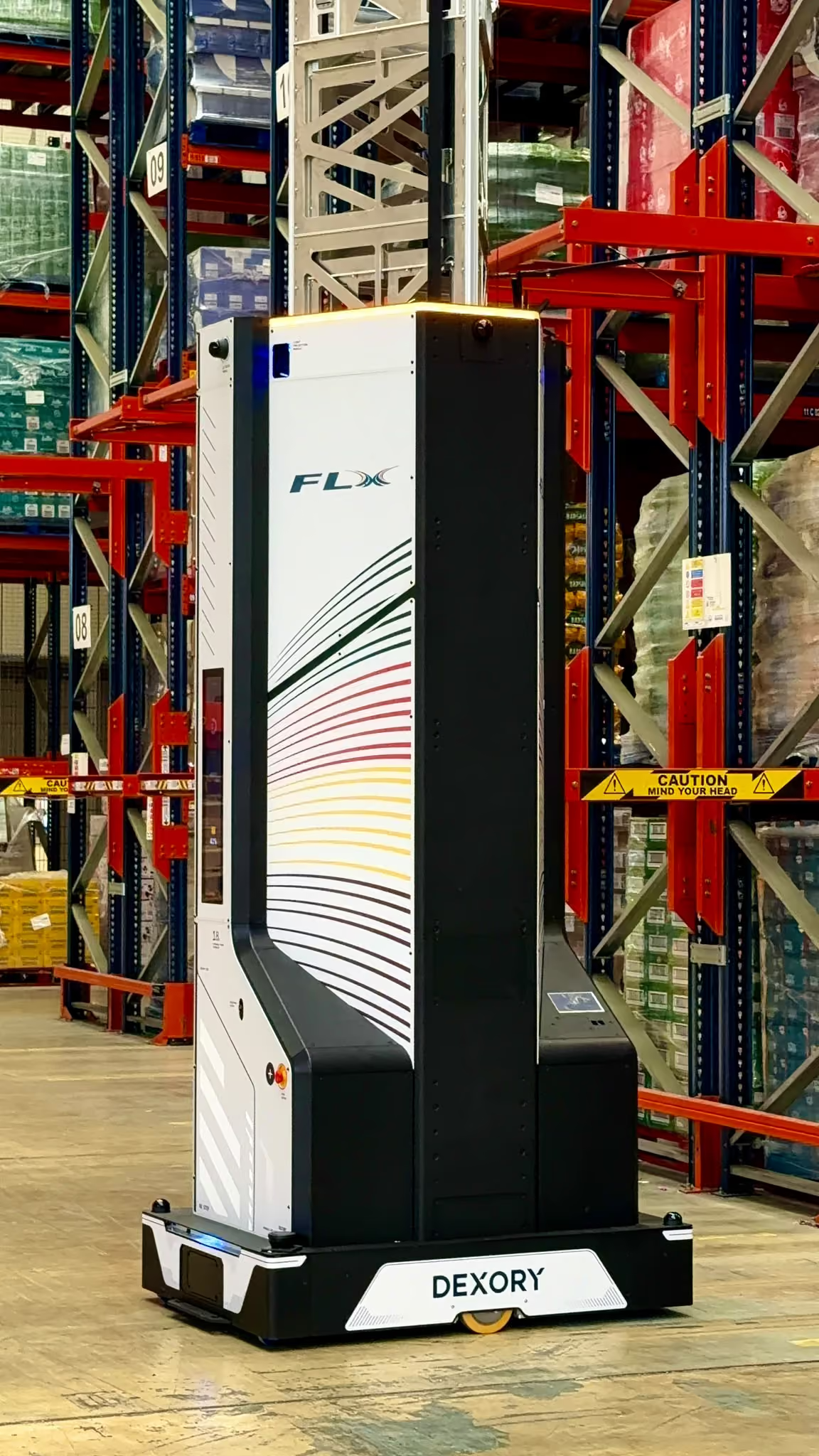
Built in, not bolted on: How FLX Logistics started right
When a new warehouse opens its doors, there's usually asettling-in period; weeks, sometimes months, where the team is still learningthe building as much as it's operating in it. Stock locations get bedded ingradually. Discrepancies surface and get chased down one at a time. Trust inthe data builds slowly, through trial, error, and repetition.
FLX Logistics’ Peterborough site decided it didn't wantthat runway.

Ground truth: the foundation physical AI is built on
Built in, not bolted on: How FLX Logistics started right
When a new warehouse opens its doors, there's usually asettling-in period; weeks, sometimes months, where the team is still learningthe building as much as it's operating in it. Stock locations get bedded ingradually. Discrepancies surface and get chased down one at a time. Trust inthe data builds slowly, through trial, error, and repetition.
FLX Logistics’ Peterborough site decided it didn't wantthat runway.
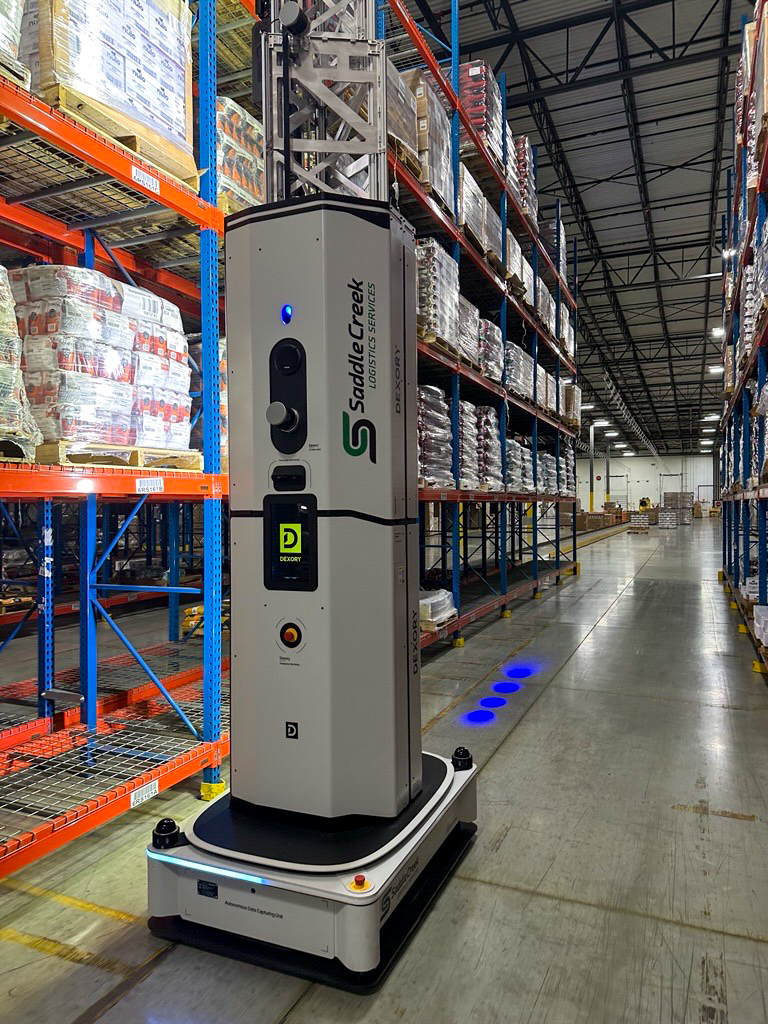
How Saddle Creek turned a high-volume multi-client hub into a real-time source of truth
A real-time, accurate view of 1.1M sq ft, and a team focused on the work that matters.
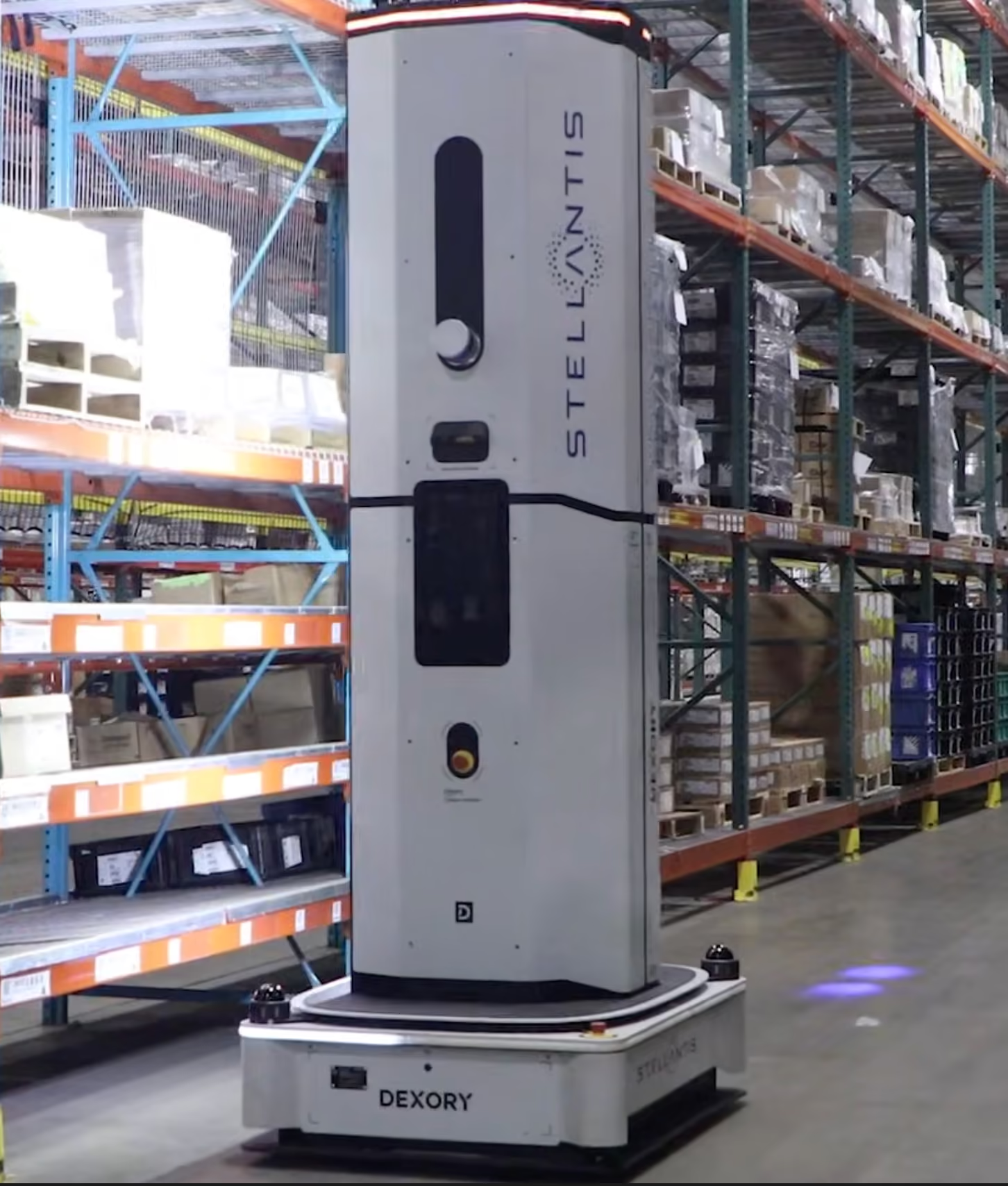
Driving operational excellence for Stellantis, a global automotive leader
At its Sterling Heights Assembly Plant, Stellantis partnered with Dexory to deploy DexoryView, bringing continuous, real-time warehouse intelligence into daily operations.
Latest insights
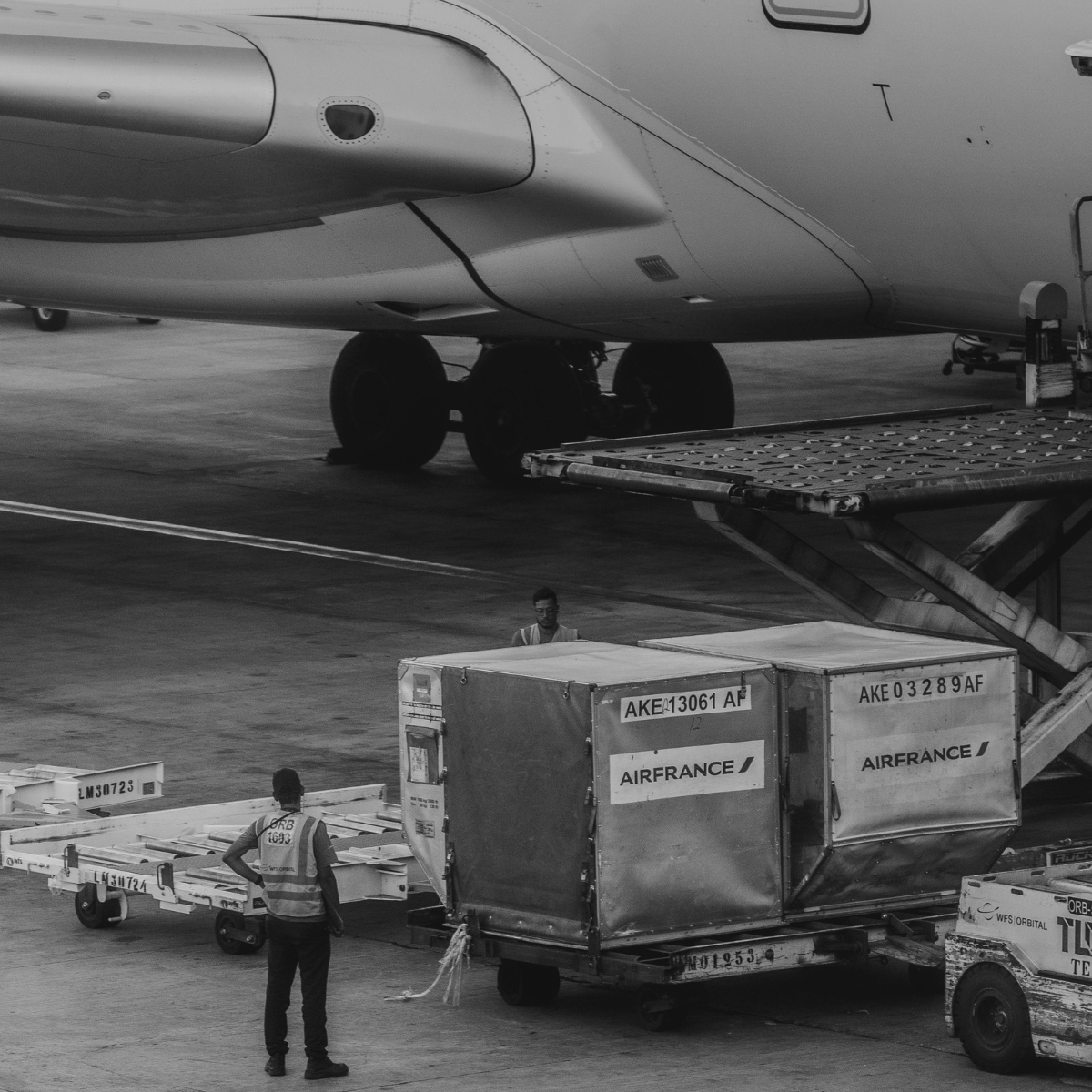
Air cargo operators: is your data moving fast enough?
Every day, air cargo teams need to know exactly what they have in their facility. Where is it? How long has it been there? Is it stored in the right place? And are teams using the available space effectively? Few environments demand speed like these warehouses.

Dexory launches DexoryView Inspect to bring continuous visibility to warehouse safety
The evolution of award-winning Storage Health adds flue space breach detection, safety zoning, a compliance dashboard and reporting to help warehouse teams identify risks and take action.
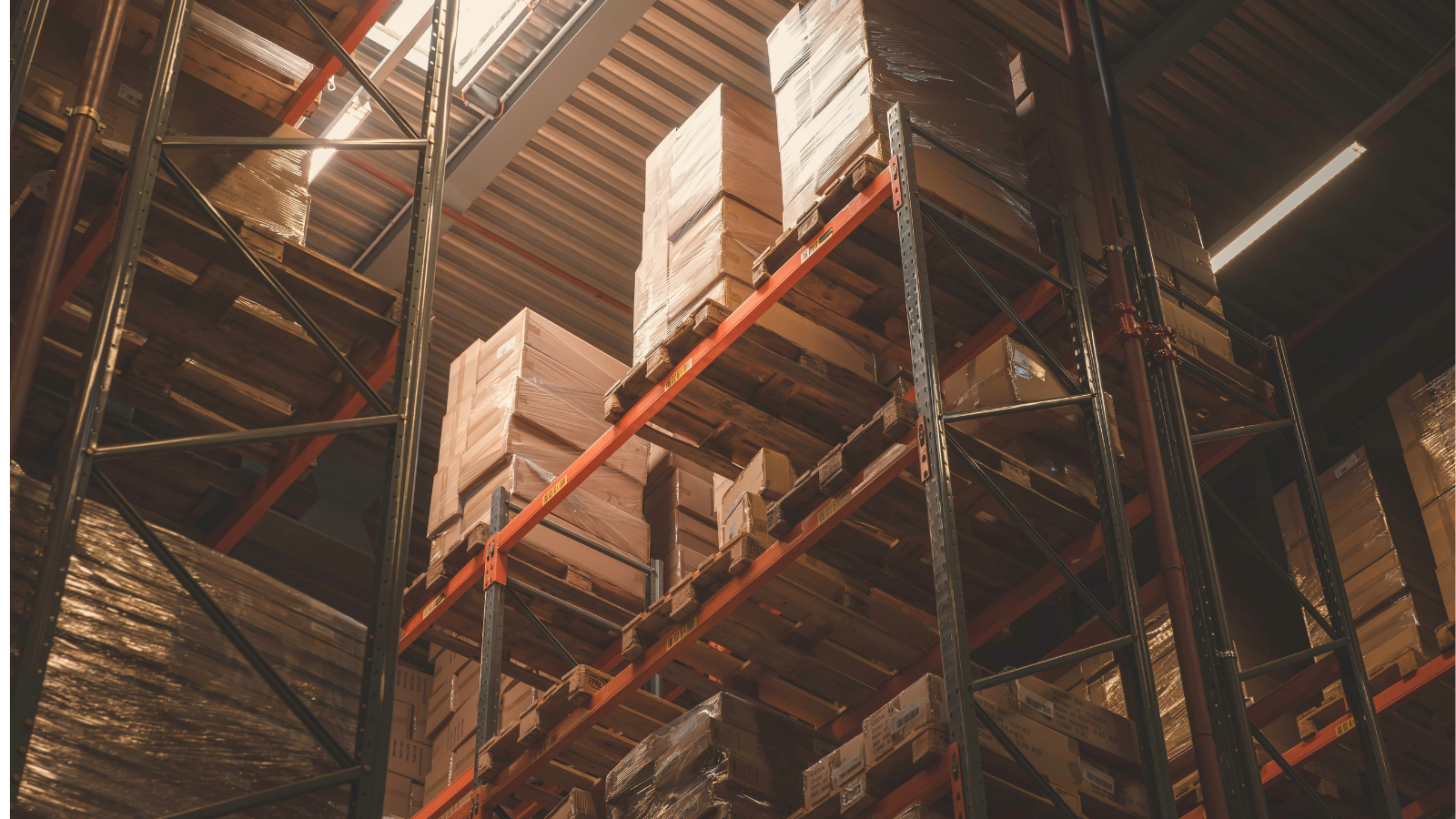
Real-time visibility in manufacturing warehouses
In a manufacturing warehouse, a misplaced pallet or delayed shipment can disrupt the whole supply chain. For example, when a warehouse cannot find a critical part, production stops. In these high-stakes settings, downtime can cost about $25,000 per hour. This affects the entire operation, from warehouse teams and clients to customer service.
How Warehouse Automation Cuts 3PL Inventory Loss
Warehouse automation supports inventory loss prevention by closing the gap between what the warehouse management system (WMS) says is in stock and what is physically on the racking. The warehouse technology that does this most directly is autonomous scanning, a live digital twin and exception-based counting, working alongside the WMS.

5 Common Questions about Physical AI
Warehouse systems record what should be there, not what is. Physical AI closes that gap by checking the floor continuously.

The middle ground Australian warehouses have been asking for
Our colleagues Jackie Bibby and Ben Smith spent three days on the CeMAT Melbourne show floor this June. They spoke with Australian warehouse and logistics operators about where robotics and automation are heading next. One theme came through clearly. Many operators are looking for a middle ground - something between doing nothing and committing to a major automation project.
Trusted by industry leaders













Ready to evolve your warehouse into a dynamic, efficient, and intelligent operational environment?