Why real-time data matters in warehousing
February 13, 2026

Real-time data is information that reflects reality as it happens. A precise and accurate view of live warehouse floor conditions.
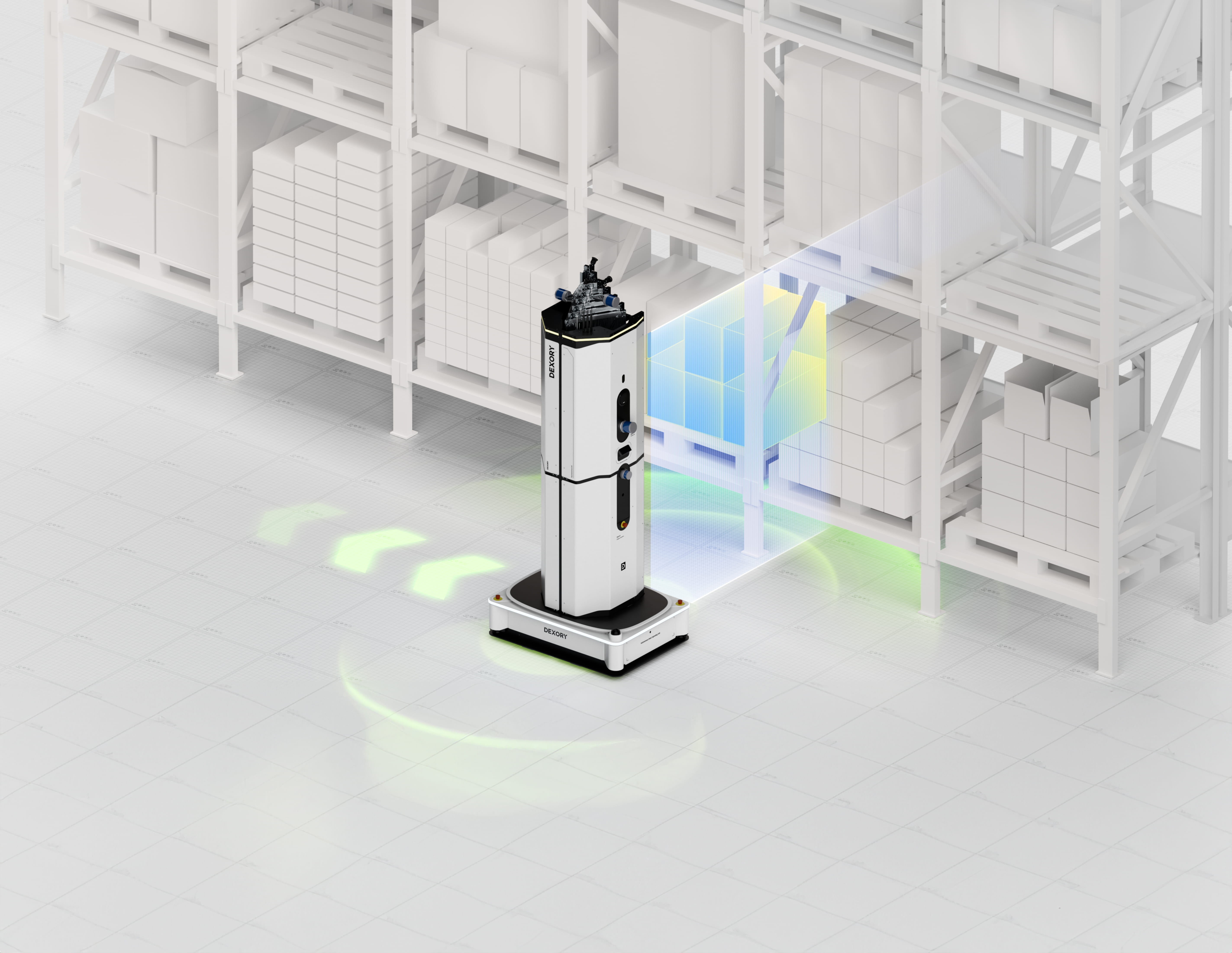
Capturing this level of accuracy requires a combination of technologies: sensors, IoT devices, cameras, computer vision, LiDAR, and autonomous robotics. Together, these technologies send data to platforms like DexoryView, which processes it and converts it real time insights.
The outcome is significant. Instant visibility, faster decisions, and far fewer surprises.
How real-time data is used
Across industries, real-time data helps teams monitor performance, simulate scenarios, and constantly improve operations. In warehousing, its impact is especially critical.
Without real-time visibility, teams rely on assumptions, often built on manual checks and outdated records. This gap between belief and reality has a real cost. It leads to misplaced inventory, underused space, rising costs, delays. Teams waste valuable time investigating errors they could have prevented.
Real-time data directly addresses and eliminates that gap. Enabling real time visibility across the entire operation, it allows warehouse teams to:
- See what is actually happening, not what should be happening
- Respond instantly to change or disruption
- Optimise space, labour, and inventory levels
- Make confident, data driven decisions
Data - in real time and in high volumes, also provides the foundation for artificial intelligence.

Why data quality is the key to AI
The effectiveness of any AI system is directly dependent on the quality of the data that underpins it. AI software has advanced rapidly. AI hardware, however, presents a considerably more complex challenge. Robotics that operate safely around people in live warehouse environments is far more complex to develop and deploy.
The primary barrier to progress is neither ambition nor technology. Data quality is.
Many warehouses still do not have enough high-quality, real-time data to train and run AI systems effectively. Without it, teams rely on significant human intervention to fill the gaps.
This challenge has real consequences. Analysts predict that at least 30% of GenAI projects will fail. Researchers identified three primary causes: poor data quality, unclear business value, and escalating costs (source).
Our CEO, Andrei Danescu, explores this in more detail. Read his thoughts on the future of AI and robotics here - AI and robotics.
The real value of real-time data
E‑commerce growth, rising customer satisfaction expectations, workforce shortages, and global pressure are reshaping warehousing. In this environment, knowing exactly what’s happening inside your warehouse is a competitive advantage.
The benefits of real-time data enables:
- Accurate, trustworthy information
- Dramatically reduced error margins
- Faster issue resolution
- More efficient, resilient processes
- Confident forecasting and planning
- The ability to operate efficiently at scale
The impact on your bottom line tangible. The data presents a compelling case. Companies using real-time data report revenue increases of up to 21%. On the flip slide, poor data quality costs organisations millions of dollars every year.
Despite this, many warehouse operators misjudge their accuracy. While perceived inventory accuracy often sits at 99%+, real-world data shows it is closer to 91%, meaning one in ten records is wrong.
Autonomous intelligent scanning robots are changing this. Combined with warehouse intelligence platforms, they enable continuous scanning and up to 99.9% inventory accuracy. Teams also benefit from better space utilisation and early detection of safety risks, all without disrupting daily operations. The long term value of this level of precision compounds over time, driving down costs and building operational resilience.
Real-time data is an operational mindset
Real-time data is not an optional add-on or a peripheral technology. It changes how warehouses operate and how leaders make informed decisions across the business.
Before adopting new solutions, organisations need to ask:
- What data are we missing today?
- How would real-time visibility change our decisions?
- What competitive advantages could greater visibility unlock for your organisation?
- What risks do organisation need to managed?
How teams use data is equally important. Its value lies in action. Customer service teams, operations managers, and senior leaders all benefit when data flows freely and accurately through the organisation.
Real-time visibility helps teams increase productivity without increasing headcount. For most operations, this is one of its most cost effective outcomes.
This is where digital twins come in. A clear, ongoing updated digital replica of the warehouse makes complex data easy to understand, without infrastructure changes. Teams can explore scenarios, identify risks, and act quickly with confidence.
Organisations using digital twin technologies report reduced downtime and operational costs, alongside stronger predictive maintenance and planning (source).
Looking ahead
Real-time data has become an essential requirement for modern warehouse operations. Real-time data is the foundation of modern warehousing, enabling accuracy today and automation tomorrow.
AI and robotics are advancing at a considerable pace. The warehouses that will succeed are the ones that understand the value of real-time data and act on insights.
Curious how other operators have achieved real-time visibility and actionable intelligence? Explore our case studies.