How Pick count helped Maersk and iB Cargo improve pick accuracy and dramatically reduce manual counting effort
January 22, 2026

Introduction
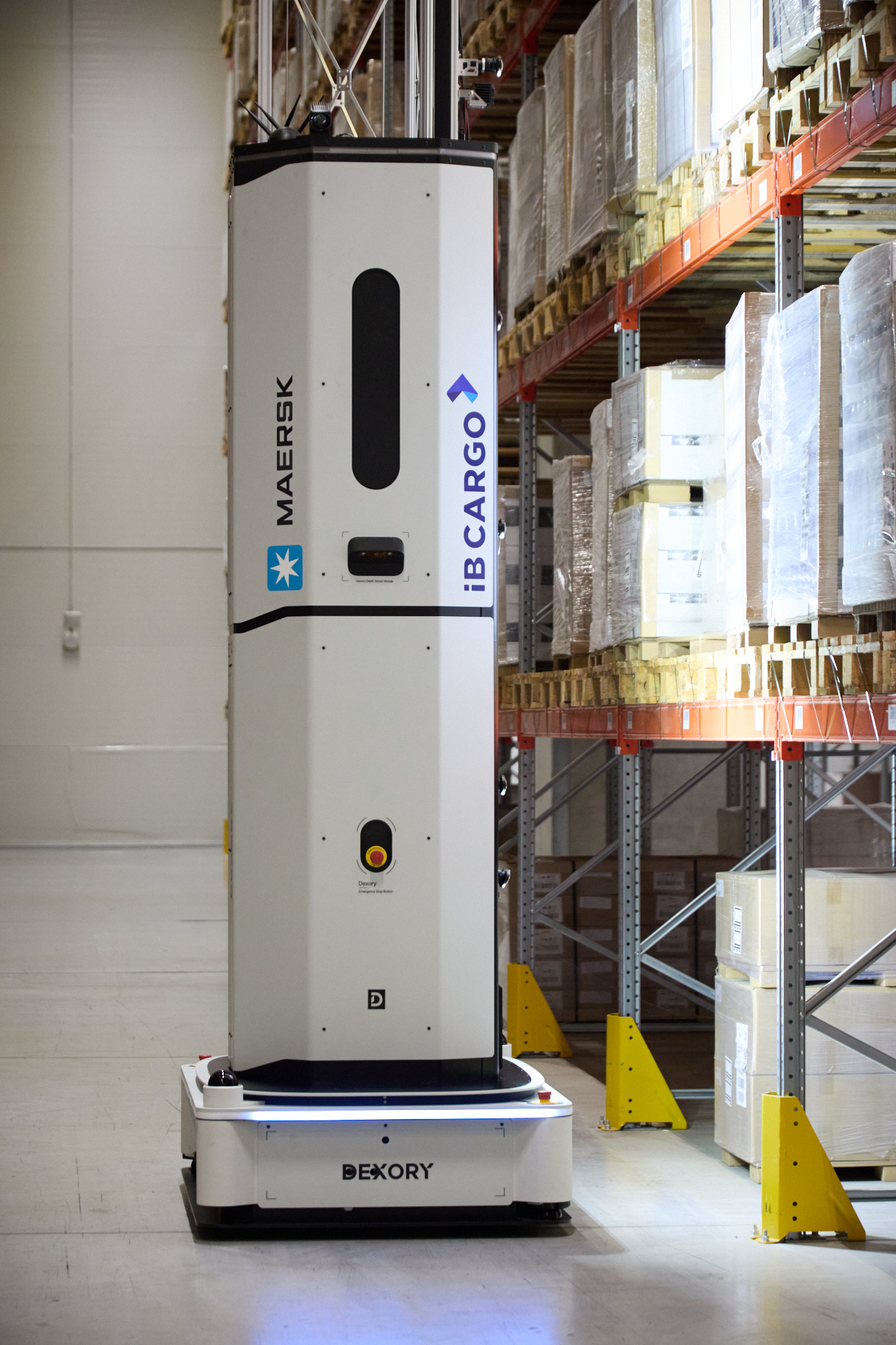
Maersk and iB Cargo operate a large, high-volume warehouse supporting more than 107,000 pallet positions across inbound, outbound, transit and bulk storage areas for one of the largest global furniture and interior decoration companies. To address the growing resource demands of manual pick face cycle counting at scale, the team introduced Dexory's Pick Count feature - shifting from checking everything to checking only what truly requires intervention.
.jpg)
The challenge
Before deploying Dexory’s Pick Count feature, pick face accuracy was managed through a structured, manual cycle counting process within the WMS. This approach ensured a high level of control and reflected the site’s strong focus on inventory quality and compliance.
However, as the operation scaled in size and throughput, this method became increasingly resource-intensive. On a weekly basis, all pick face locations were physically counted, even though the majority were already accurate. As an example, reviewing close to 2,000 locations required between 16 and 20 hours of work to produce an initial view of discrepancies, and involved multiple roles, including on-floor quality checks and secondary validation in line with four-eyes principles.
While effective from a control perspective, manual counting also made it harder to prioritise attention. Some discrepancies flagged by the WMS were linked to counting variability rather than true stock issues, which added noise to the process and slowed down corrective actions where they were genuinely needed.
The team had a robust process in place, but needed a way to focus effort on the small number of locations that truly required intervention, without repeatedly checking those that were already correct.
The solution
Maersk and iB Cargo introduced Dexory’s Pick Count feature to automate inventory visibility and focus human effort where it adds the most value.
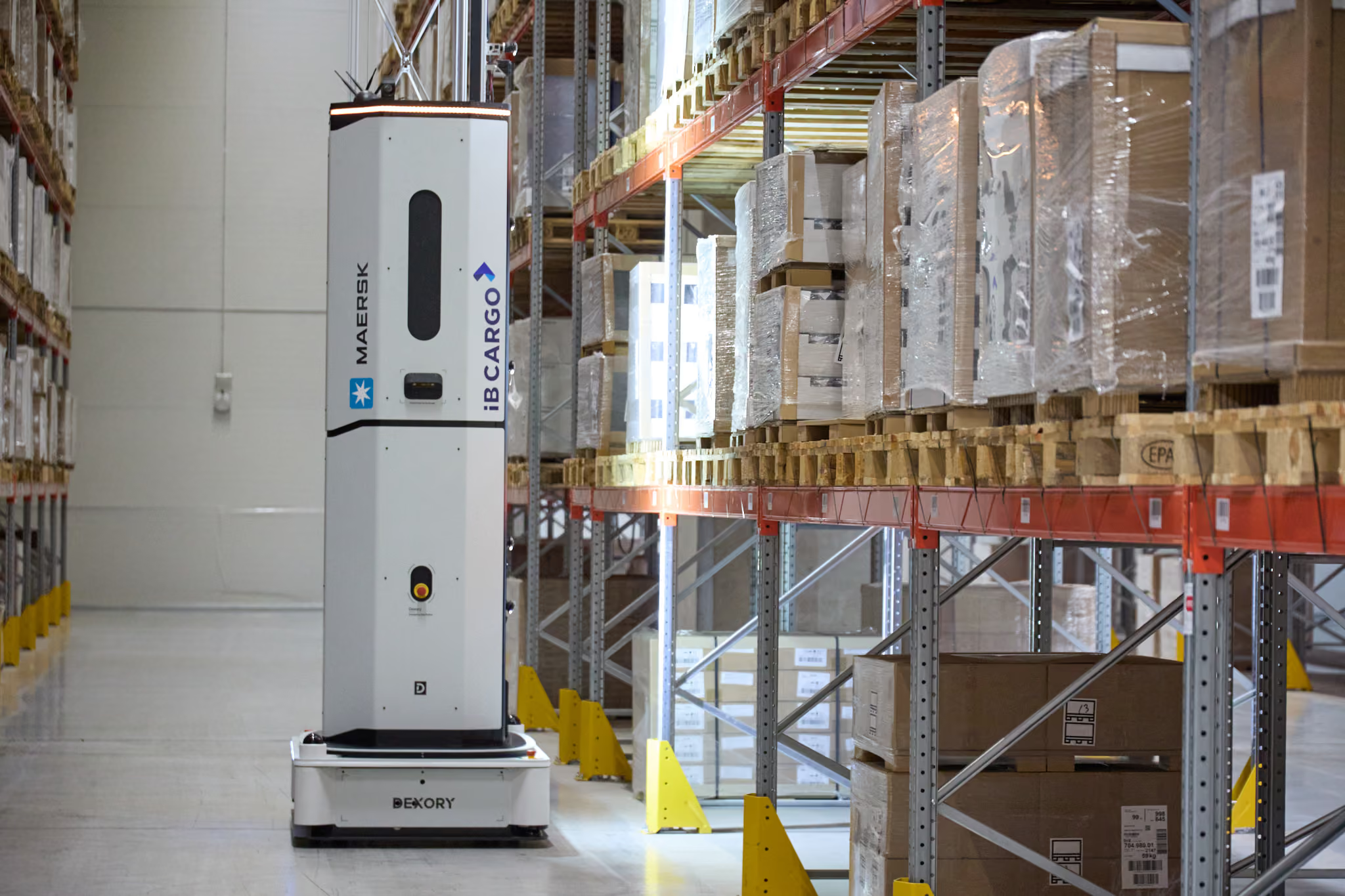
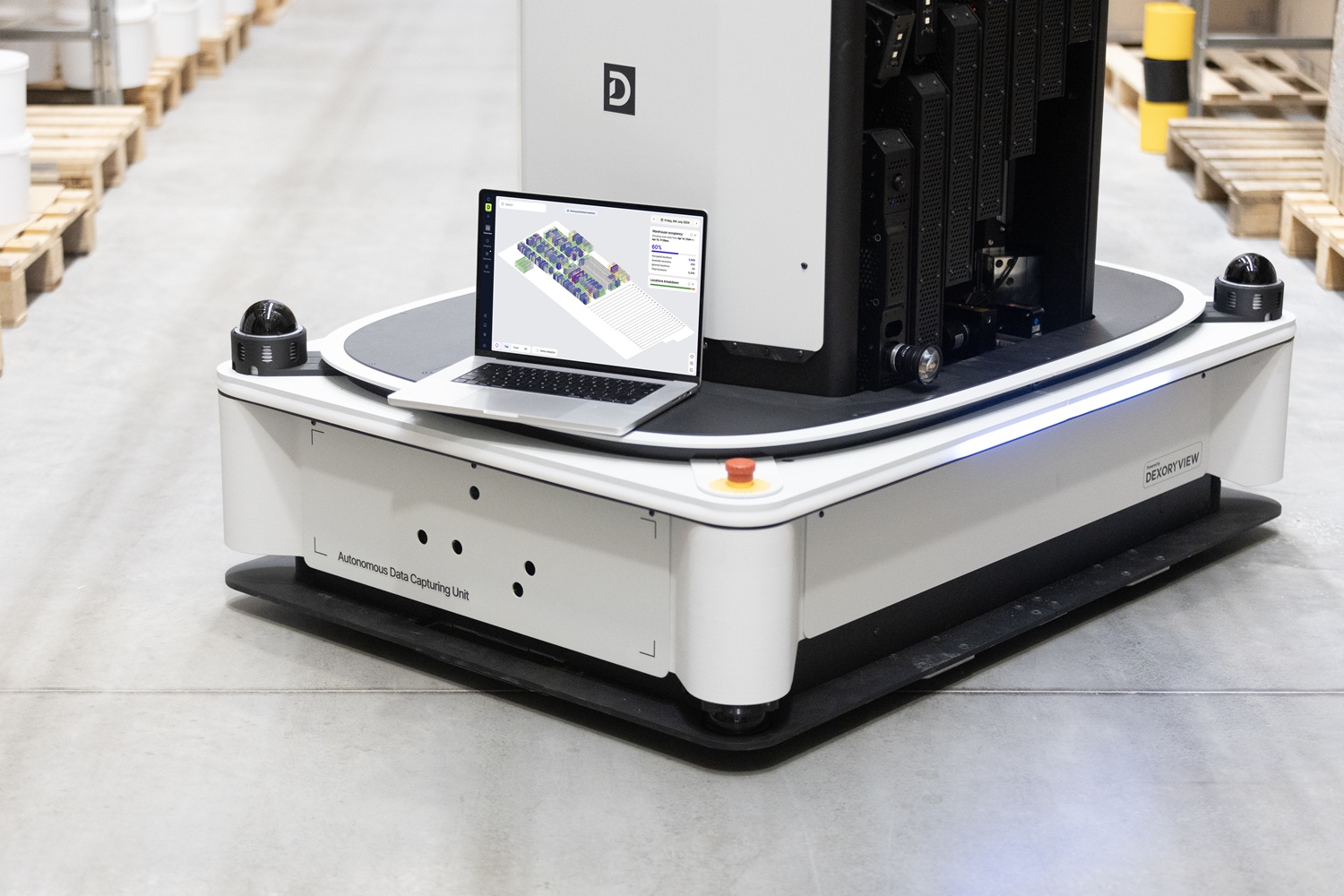
Using Dexory’s autonomous robots, the entire pick face area is scanned weekly. The resulting data is analysed to clearly separate locations with no discrepancy, minor discrepancies, and significant discrepancies that require physical verification.
Rather than physically counting every pick face location, the team now concentrates only on discrepancies above an agreed threshold. This shift fundamentally changed how inventory control is managed at the site.
The operation moved from “checking everything” to “checking only what really matters”.
The benefit

Lorem ipsum dolor sit amet, consectetur adipiscing elit, sed do eiusmod tempor incididunt ut labore et dolore magna aliqua. Ut enim ad minim veniam, quis nostrud
Manual counting reduced from 20 hours to 1–2 hours per week
Dramatic reduction in cycle counting effort by focusing only on locations that truly require physical verification.

70% of pick face locations confirmed accurate
Around 70% of locations show no discrepancy at all, giving the team high confidence in inventory integrity across the site.

Faster picking and proactive replenishment
Reliable pick face data reduced empty or underfilled location encounters, improving picking flow and enabling replenishment decisions to be made at the right time.

Stronger end customer relationships
Faster investigations and visual proof through photos enabled quicker resolution of claims and queries, strengthening trust with the end customer.