5 Common Questions about Physical AI
November 3, 2026

The warehouse doesn't know what it thinks it knows
Ask an operator what's in their warehouse right now, and they'll give you a confident answer. Ask when that answer was last physically checked, and the confidence tends to drop fast.
That's the blind spot at the centre of warehouse operations. The WMS says one thing, then the ERP agrees but neither has been checked against the floor since the last stock take and that might have been months ago. In between, forklifts move pallets. Cleaning crews shift stock out of the way. Informal workarounds pile up quietly, and none of it gets logged. All of it changes what's actually there.
Closing that gap, between what the systems record and what's physically true, is the problem physical AI exists to solve.
Why physical AI isn't just software with better instincts
It's easy to hear "AI in the warehouse" and picture smarter forecasting, or automated reordering, sitting on top of data that already exists. That's useful, but it assumes the underlying data is accurate.
Physical AI starts from a different place. The data doesn't exist yet, because the warehouse floor has never been digitised in the first place. A CAD file captures the day the racking went in. It says nothing about what's on that racking this morning.

So physical AI has to go and build that picture from scratch, then keep updating it as the floor keeps changing. That's the job Dexory's autonomous robots do. They scan racking up to 18 metres (60 feet) high and gather millions of data points in real time, feeding all of it into DexoryView, Dexory's AI-powered digital twin of the warehouse that stays current rather than describing a moment in the past.
That's also why Dexory builds the robots, the AI and the software as a single system, rather than assembling one from third-party parts. When one team owns the whole stack, deployment doesn't have to wait, or disrupt the floor while it happens.
What ground truth actually surfaces
Scale is what makes this useful. Dexory's robots can scan 10,000 to 12,000 pallet locations an hour, and have scanned more than one billion warehouse locations to date. A full site can be mapped in 24 hours, against roughly a year for a traditional manual count.
The first proper scan tends to be the uncomfortable one. In one customer's case, stock worth well over a million pounds had been quietly written off as lost, simply because nobody could see where it actually sat. Other sites have reported running at full capacity, until an accurate map showed nearly a tenth of that space had never actually been used, just assumed to be.
None of this is a data problem in the abstract, it's money sitting in the wrong place and capacity nobody knew they had.
More data isn't the same as more value
The instinct, when you can suddenly see everything, is to show everything. Dexory learned early that this backfires. Flag every discrepancy at once, and a warehouse team doesn't get clarity. It gets fifty equally urgent problems and no obvious place to start.
The fix was triage: surface the handful of issues with a real operational or financial consequence today, and let the rest sit as background context rather than an alert.
This holds beyond warehousing too. Any system that instruments a real physical environment will generate more signal than a team can act on. The job of the AI layer isn't to mirror reality faithfully, that's what the digital twin already does. It's to decide, on the operator's behalf, what actually deserves their attention right now.
Why the robot's shape isn't the hard problem
Physical AI is often talked about in the same breath as humanoid robotics. It's worth being clear about where that comparison holds and where it doesn't.
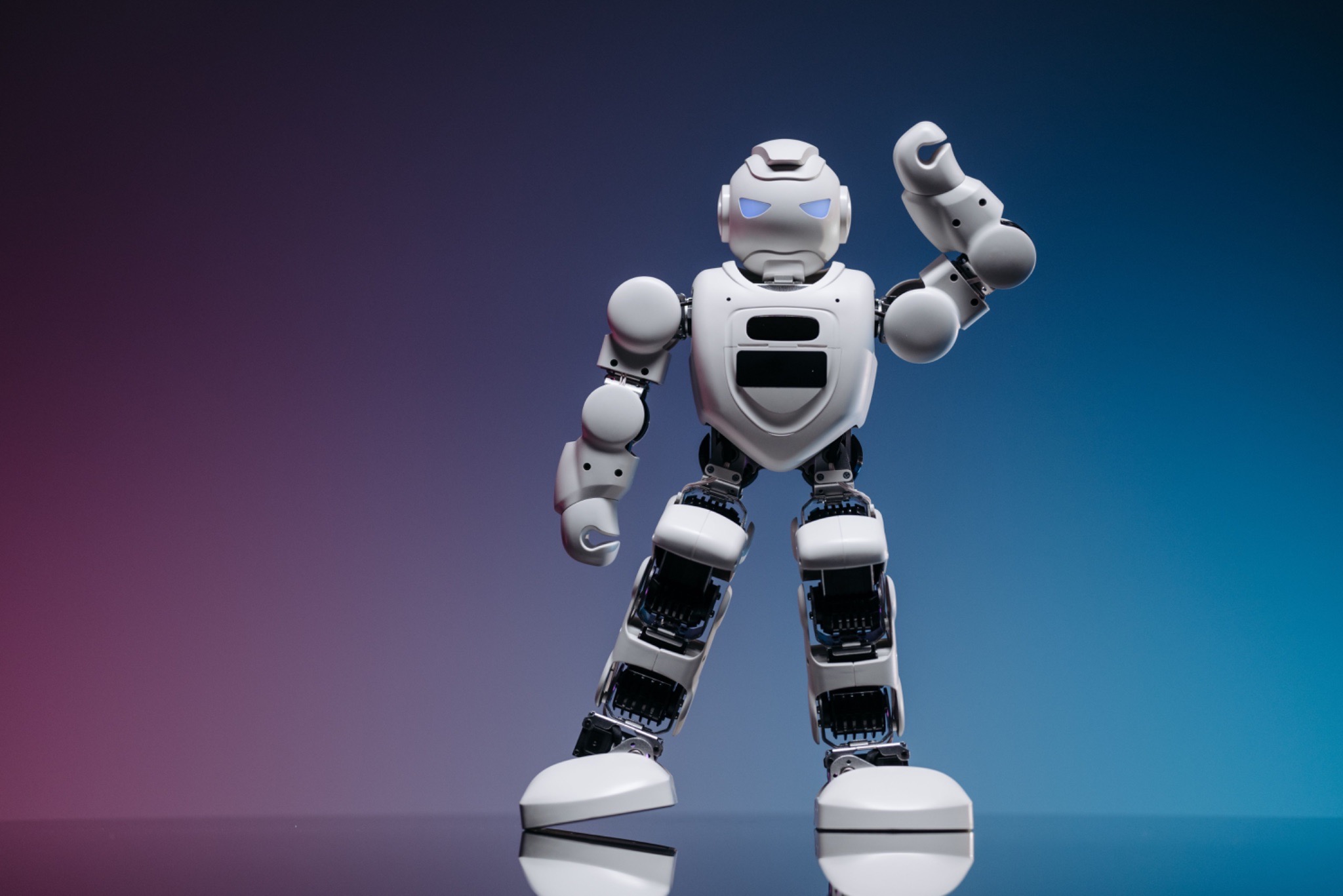
Send any robot, whether humanoid or wheeled, or send a person instead to pick from a bay that's empty, wrong or blocked and the outcome is the same: it fails.The body doing the picking was never the issue, the instruction it was given was already wrong. Solving for accurate, current knowledge of the physical space is the harder problem, and it's the one worth solving first, whatever shape eventually does the picking.
Why this matters most where the stakes are highest
The case is sharpest in environments where "roughly right" isn't good enough. Dexory is SOC-certified, which counts for something in regulated, high-trust settings. For pharmaceutical warehouses and 3PLs specifically, reliable ground truth is what an audit actually needs, not a spreadsheet reconstructed from memory.
Get it wrong, and you're looking at multi-million-dollar product loss. Get it right, consistently, and it becomes the foundation long-term customer trust is built on.
Where this is heading
The shift underway is moving warehouses past systems that just log activity and toward ones that understand what is happening in real time, helping them decide the next move.
Physical AI is the layer that makes that possible. The organisations getting real value from it tend to share a few habits: start with a specific operational problem, treat ground truth as something needing continuous refreshing, and name someone accountable before the rollout starts, not after it stalls.
That's the case we make in full in the whitepaper below. Read the full whitepaper for a deeper look at what this shift means in practice, including a readiness checklist for operators evaluating physical AI.
Download our Physical AI Whitepaper now --> https://hub.dexory.com/physical-ai-whitepaper
