Real-time visibility in manufacturing warehouses
November 10, 2026

Summary
- A misplaced pallet in a manufacturing can bend the entire supply chain. The cost of downtime in such an environment can reach $25,000 per hour
- With the cost of a 1% error even at $100, real time visibility and excellent accuracy become critical
- Robotics and AI make the transition from monthly to daily scans possible - unlocking real-time visibility and actionable intelligence
In a manufacturing warehouse, a misplaced pallet or delayed shipment can disrupt the whole supply chain. For example, when a warehouse cannot find a critical part, production stops. In these high-stakes settings, downtime can cost about $25,000 per hour. This impacts the entire operation, from warehouse teams, clients, and down to customer service.
Reacting to these issues can involve extreme measures. Chartering a private jet to transport a missing component from across the country, for example. The operations team often find the missing part buried in their own facility - just as the chartered delivery arrives.
As these spaces are crowded, and the stakes are high, the KPIs mostly emphasise response times: how fast warehouse floor workers get things done.
When a forklift driver finds an unexpected pallet in an empty slot, they resort to a quick fix to keep things moving. They will store the item in any available gap, but they rarely have the time to stop and adjust the Warehouse Management System (WMS).
By the time anyone identifies this move, the chain reaction has already begun. Some manufacturing warehouses employ dedicated staff known as "chasers". Their job is to walk the floors and find missing parts required for the assembly line.
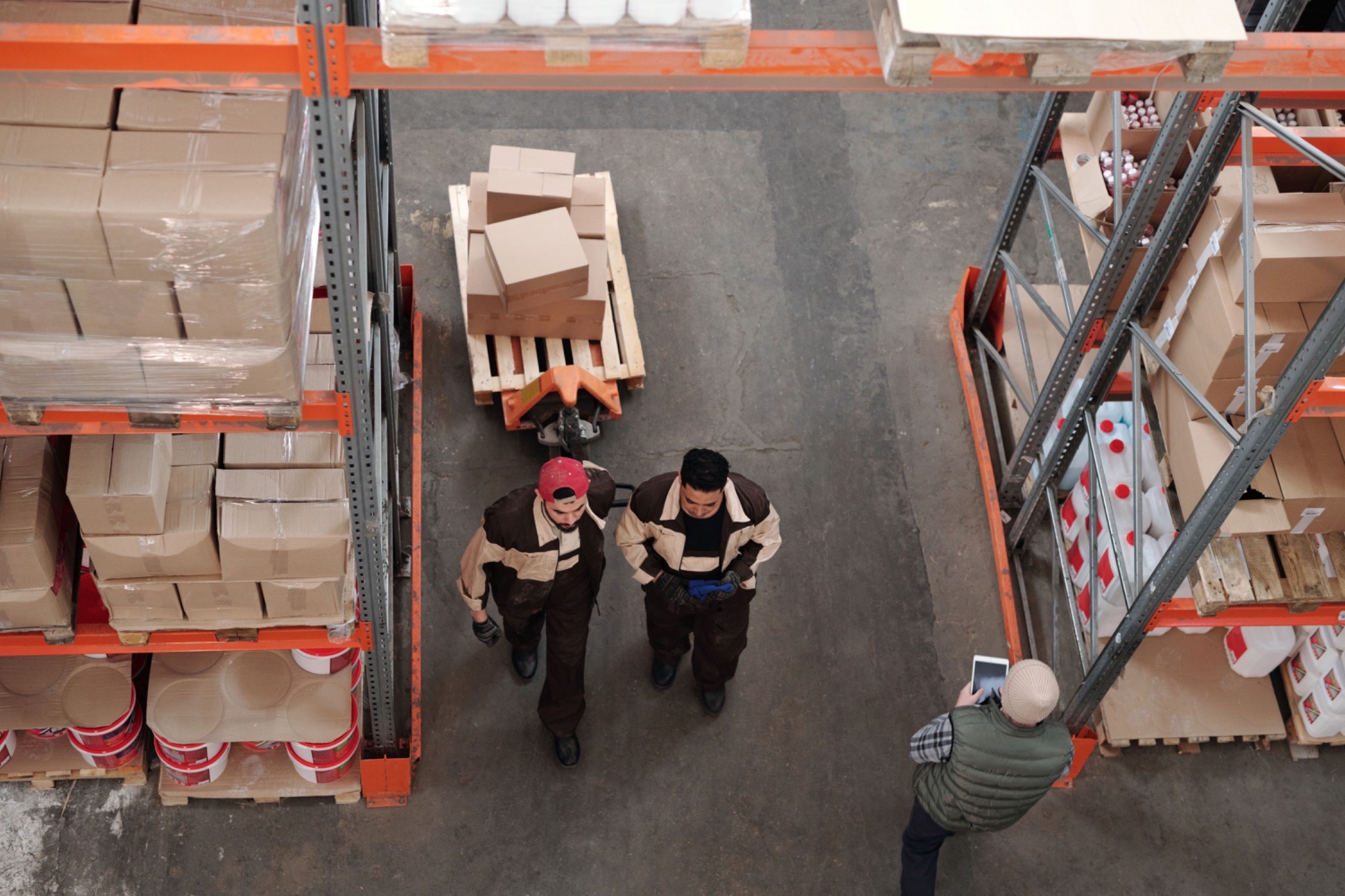
The margin for error in a manufacturing warehouse is thin, making real-time insights, reliability, and proactiveness essential.
The cost of an error
Not knowing what stock is available, and exactly where it is located leads to overstocks or understocks. Even when organisations claim 95% inventory accuracy, if those metrics come from manual scans, the data is stale.
A manual audit can take two to three weeks to compile. Teams receive an outdated report before anyone even prints it. For Third-Party Logistics (3PL) providers in busy manufacturing sites, true baseline accuracy is often 85% to 90%.
If a warehouse has a 99% accuracy rate and moves at least 1,000 products a day, 1% equals 10 daily errors. Manufacturers report an average cost of $100 to $120 per inventory error. Over $1,000 lost every single day.
The financial impact rarely stops there. A single inventory error can trigger a chain of secondary costs. Emergency procurement, expedited shipping, overtime labour, and customer penalties for missed deadlines.
Just-in-time production depends on parts arriving at exactly the right moment. A stock error doesn't just cost money. It costs time no one can recover.
These types of mistakes impact the entire operation, from inventory management to picking, outbound logistics, and final customer satisfaction. We investigated what warehouse errors can actually cost, and it’s significantly more than you might think. Learn more about what errors are costing warehouse managers by reading our whitepaper, available here.
Real-time visibility made possible
Intelligent autonomous robots and artificial intelligence are bridging this visibility gap, while also improving efficiency.
Basic automation is nothing new in warehousing. The real value is moving away from traditional robotics that move products towards systems built for visibility and intelligence. These new Physical AI technologies combine robust hardware with advanced AI to provide operational managers with immediate, actionable clarity.
By switching from manual stock-taking to automated scanning with solutions like Dexory, warehouse managers gain an immediate benefit. They move from stale weekly or monthly data to daily scans and real-time visibility. Dexory’s autonomous robots can scan up to 10,000 pallet locations per hour, helping achieve 100% stock integrity.
The shift from monthly to daily scans changes how teams start their day.
Every shift starts with an accurate, current picture of every location. Not data that is weeks old. The platforms flags discrepancies automatically.
xfbSpace that was invisible in the WMS becomes visible and usable. Time previously lost to chasing missing parts or manually stock checks now goes toward higher-value work.
Combining autonomous data gathering hardware with AI creates a true, real-time digital representative of the physical environment. A digital twin is not a simulation or a simple CAD model. It serves as an active source of truth, independent of manual data entry.
In our warehouse intelligence platform, DexoryView replicates the physical environment. It shows what is on the racks and how much capacity is available. It highlights potential bottlenecks, and it reveals where product safety risks are emerging.
The platforms automates cycle counts and stock alignment. It improves storage and replenishment, and AI-driven insights support proactive, informed decisions.
Taking the first step
Leading global manufacturing pioneers, such as Denso and Stellantis, are already leveraging this technology to eliminate costly blind spots. By deploying automated visibility solutions, they can make critical decisions based on real-time data, supported by AI.
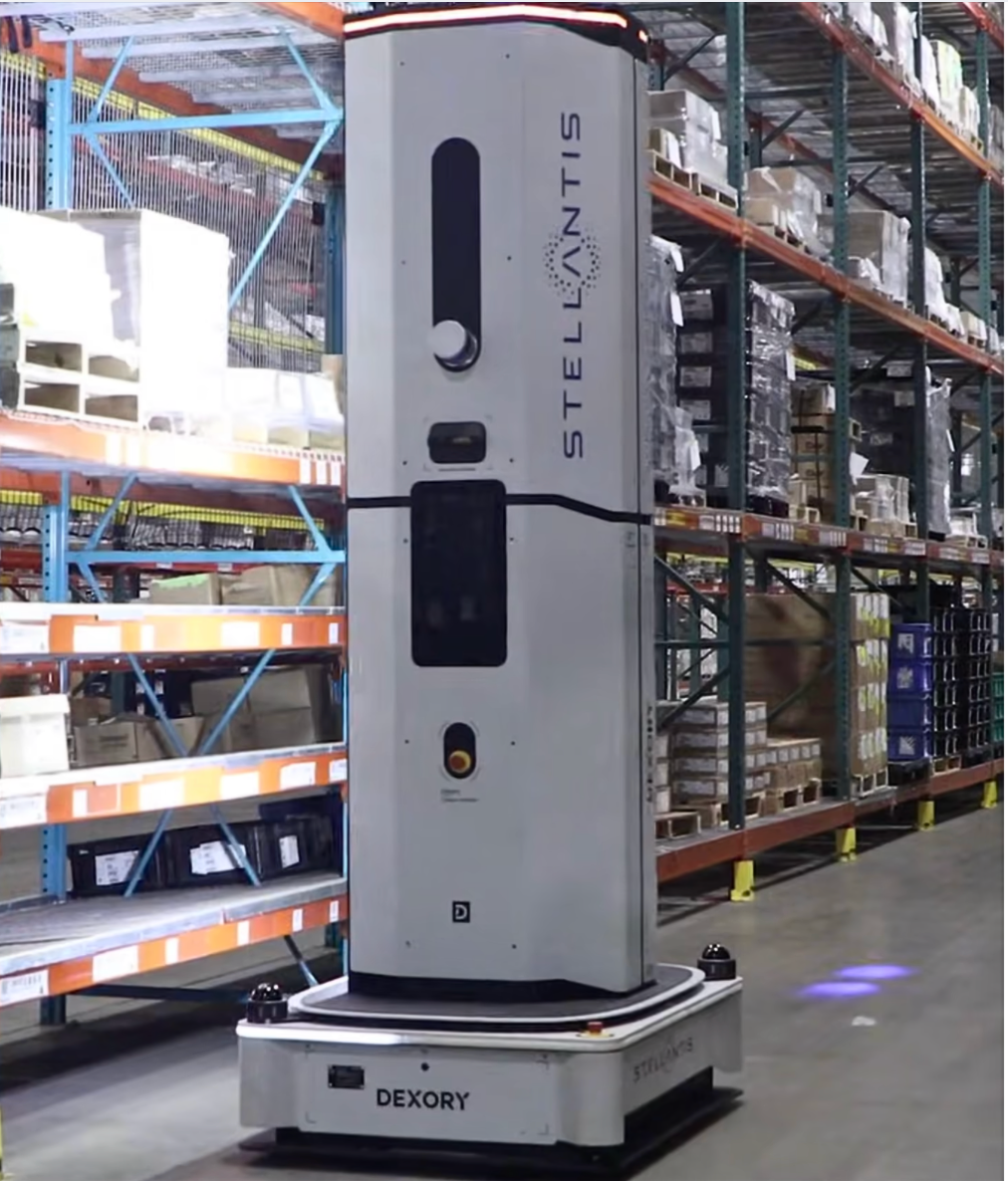
Automation is not about replacing humans with machinery, but about setting transparent, accurate data foundations to improve operations. Using AI, or agentic AI, gives operators a strong competitive advantage and helps them perform better. But it only works if the core data is accurate, complete, and high-quality.
Real-time intelligence transforms the warehouse. Production lines move faster, decisions come easier, and hidden costs fall.
The organisations making this shift aren't doing it to replace their teams. They're doing it to give them better information. When the data is accurate, complete and updated daily, people can focus on decisions rather than investigations.
Teams solve problems before they become disruptions. And the warehouse stops being a source of uncertainty and starts being a competitive advantage.
Ready to see it in action? To learn how we help manufacturing warehouse operators get actionable insights and instant ROI, book a demo here.
